What is Coronary Artery Bypass Grafting?
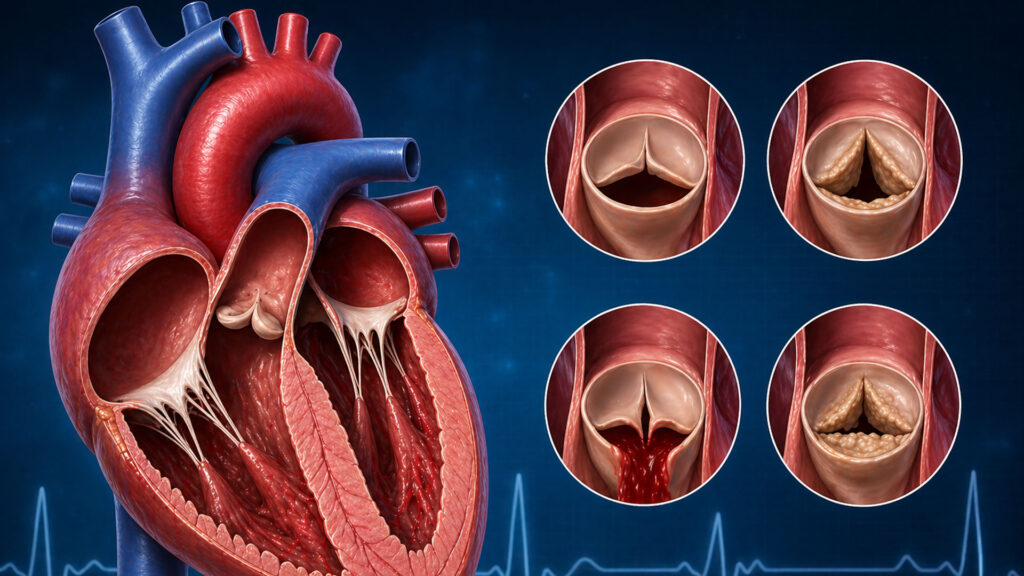
Coronary artery bypass grafting (CABG), also known as heart bypass surgery, is a surgical procedure performed to improve blood flow to the heart. This surgery may be necessary when the coronary arteries that carry blood to the heart become narrowed or blocked.
Your doctor may recommend this surgery to reduce the risk of a heart attack if you have coronary heart disease. It can also be performed in emergency situations to treat a severe heart attack.
In CABG surgery, healthy blood vessels taken from another part of the body are used and connected above and below the blocked artery. Thus, a new pathway is created that allows blood to reach the heart by bypassing the narrowed or blocked coronary arteries.
The blood vessels used for this procedure are generally:
- Arteries taken from the chest or arm
- Veins taken from the legs
How is the surgery performed?
In traditional “open-heart” CABG surgery, the heart is temporarily stopped, and a heart-lung machine keeps the blood circulating through the body during the surgery. This method is still the most commonly used technique.
However, in some patients, a method called “off-pump” CABG can be performed. In this technique, the heart is not stopped, and the surgery is performed on the beating heart.
Post-surgery process and risks
As with any surgical procedure, CABG surgery has some risks and possible complications.
During the recovery process after surgery, your doctor may recommend:
- Medication therapy
- Heart-healthy lifestyle changes
These recommendations help to:
- Reduce your symptoms,
- Treat your coronary artery disease,
- Prevent complications such as blood clots.
Your doctor will also inform you about lifestyle changes you can make to reduce the risk of new arterial blockages or other heart problems in the future.
Who Might Need Coronary Artery Bypass Grafting (CABG) Surgery?
Coronary artery bypass grafting (CABG) is used to treat obstructive coronary heart disease caused by plaque buildup in the coronary arteries, which carry oxygen-rich blood to the heart.
Whether CABG surgery is right for you is decided together with your heart team. This team typically includes:
- Cardiologist (heart disease specialist)
- Cardiovascular surgeon
Surgery may not be the best option for every patient. Depending on your overall health and other medical conditions, your team may recommend an alternative treatment called percutaneous coronary intervention (PCI).
PCI is a procedure that typically involves balloon angioplasty and stent placement. This method is not surgical but is an interventional procedure performed inside the blood vessel, and it aims to widen the artery to increase blood flow.
Who can benefit from CABG surgery?
People with the following conditions may benefit from CABG surgery:
- Coronary heart disease with angina (chest pain) that does not go away with medication, or a history of cardiac arrest due to an arrhythmia
- Diabetes
- Heart attack caused by coronary artery disease that cannot be appropriately treated with PCI
- Blockages in multiple coronary arteries or a large amount of plaque buildup in the left main coronary artery, making it difficult to treat with PCI
- Severe heart failure affecting the heart’s blood-pumping capacity
In these cases, CABG surgery can reduce symptoms and lower the risk of a heart attack by increasing blood flow to the heart muscle.
Preparation for Surgery
Coronary artery bypass surgery (CABG) can be planned in advance or performed in emergency situations, such as severe heart failure developing after a heart attack. If your surgery is scheduled, it is important to talk to your doctor beforehand about what to expect and how you should prepare.
Some important questions you can ask your doctor are:
- Which medications you should stop taking and when (including supplements and herbal products)
- Which medications you should start taking and when
- How to bathe before the surgery (whether you need to use a special antiseptic soap)
- When to stop eating and drinking before the surgery
- When to arrive at the hospital and where to go
- What you might experience after the surgery and during the recovery period
Before CABG surgery, your doctor may use heart imaging tests or interventional procedures to determine how severe your coronary heart disease is and the location of the narrowing in the coronary arteries.
If you need CABG surgery, it is important to discuss in detail with your doctor how to prepare for the surgery.
Your doctor will also review with you the available treatment options, the risks of the surgery, and the possible complications that may develop during or after the procedure.
Do not hesitate to ask your doctor any questions you have to make the most accurate decision about your treatment.
What to Expect During the Surgery?
During coronary artery bypass surgery (CABG), the surgical team takes one or more healthy blood vessels from another part of your body and connects them above and below the blocked coronary artery in the heart. This creates a new pathway for blood to bypass the blockage and reach the heart.
CABG surgery can be performed in three different ways:
- Traditional CABG: The chest is opened, and a heart-lung machine is used for blood circulation.
- Off-pump CABG: The chest is opened, but a heart-lung machine is not used.
- Minimally invasive CABG: Small incisions are made in the chest, and typically, a machine is not used.
Heart Surgery Team
The team involved during the surgery generally consists of:
- Cardiovascular surgeon: Performs the surgical procedure on the heart
- Anesthesiologist: Puts you to sleep before the surgery, connects you to a ventilator, and monitors your vital signs throughout the operation
- Perfusionist: Operates the heart-lung machine
- Nurses and other surgeons: Provide support throughout the surgery
Traditional CABG Surgery
Traditional CABG is the most commonly performed method. Depending on the number of blocked arteries, the surgery usually takes 3–6 hours.
During the surgery process:
- Before the surgery, medications are given intravenously (IV), and you are put to sleep.
- You are connected to a ventilator to support your breathing.
- The surgeon makes an incision down the middle of the chest and opens the breastbone (sternum) to reach the heart.
- The heart is temporarily stopped with medications.
- Meanwhile, a heart-lung machine oxygenates the blood and pumps it to the body.
How does the heart-lung machine work?
- Deoxygenated blood from the heart goes to the machine through tubes.
- The machine removes carbon dioxide from the blood and adds oxygen.
- The oxygenated blood is pumped back into the body.
The surgeon then:
- Removes a blood vessel from the leg, arm, stomach, or chest.
- Connects this vessel before and after the blocked coronary artery, creating a new blood pathway (graft).
- Multiple grafts can be used depending on how many arteries need to be bypassed.
After the grafting is completed:
- The heart is restarted (often on its own, sometimes with small electric shocks).
- The breastbone is wired back together.
Off-Pump CABG (Beating-Heart Bypass)
In some cases, the surgery can be performed without stopping the heart. This is called off-pump CABG because a heart-lung machine is not used.
- The heart is stabilized with special mechanical devices.
- Surgeons perform the bypass on the beating heart.
This method is surgically more difficult because the heart continues to beat. However, it may be safer for some patients. Especially:
- Older patients
- Those with ventricular dysfunction
- Diabetic patients
- Those with kidney disease
- Those with chronic lung disease
This method is also referred to as “beating-heart bypass surgery”.
Minimally Invasive CABG
In some patients, bypass surgery can be performed without open-heart surgery.
MIDCAB (Minimally Invasive Direct CABG)
- The breastbone is not cut.
- A small incision is made on the left side of the chest.
- The surgeon reaches the heart between the ribs.
- It is usually performed off-pump.
Robotic CABG
- The graft placement procedure is performed with a robotic system.
- The surgeon controls the robot via a computer.
- Only small holes are made in the chest.
- Sometimes a heart-lung machine may be used.
Hybrid Bypass Surgery
- A bypass is performed for a main coronary artery.
- Other blocked arteries are treated with stents.
- This method is usually preferred for patients who cannot undergo classic bypass.
Possible Risks
Your heart team will inform you about the risks that may occur before and after the surgery. You will be closely monitored after the surgery so that possible problems can be detected early.
The risk may be higher in patients undergoing emergency bypass or those with other serious illnesses.
Possible serious complications include:
- Arrhythmia (heart rhythm disorder) – usually temporary
- Bleeding – sometimes requiring repeat surgery
- Heart attack
- Infection – can occur at the incision site or inside the chest
- Kidney failure
- Stroke
Some patients may also experience:
- Temporary confusion
- Thinking and concentration problems
- Temporary memory loss
- Vision problems
- Speech impairment
This condition is called Postoperative Cognitive Decline (POCD). It is usually short-term, and the exact cause is not fully known. The patient’s general health status before the surgery may also play a role in this condition.
Post-Surgery Recovery
Recovery in the Hospital
After coronary artery bypass surgery (CABG), you usually stay in the hospital for about 1 week. If other procedures were performed or if complications develop, the hospital stay may be longer.
For the first day or two, you will stay in the Intensive Care Unit (ICU). During this process, the healthcare team may do the following:
- Apply bandages to the chest area and the graft sites
- Place tubes to drain fluid from the chest cavity and urine from the bladder
- Connect you to an electrocardiogram (ECG/EKG) machine to monitor your heart rhythm
- If necessary, place a temporary pacemaker, or in some cases, an implantable cardioverter defibrillator (ICD)
- Provide compression stockings to support blood circulation and prevent blood clot formation
- Administer medications for pain control, preventing blood clots, reducing arrhythmias, and controlling cholesterol levels
- Provide oxygen therapy (via a nasal cannula or mask)
- Monitor vital signs such as heart rate, blood pressure, and oxygen levels
After being discharged from the hospital, full recovery usually takes 6–12 weeks. For people who have had minimally invasive bypass surgery, the recovery time is generally shorter.
Home Recovery Process
After discharge, you must continue taking your medications regularly. To stay healthy after CABG, it is important to stay in regular contact with your doctor.
Short-Term Side Effects Common symptoms after surgery, which usually resolve within 4–6 weeks, include:
- Chest pain at the surgical incision site
- Constipation
- Discomfort or itching at the healing incisions
- Loss of appetite
- Mood swings or depression
- Muscle pain or stiffness in the shoulder and upper back region
- Sleep problems and excessive fatigue
- Swelling in the area where the vein was taken for the graft
Medications That May Be Used
Your doctor will discuss in detail the medications you need to take after the surgery.
- Blood pressure medications: Control high blood pressure.
- Arrhythmia medications: Reduce the risk of heart rhythm disorders after CABG.
- Blood thinners / antiplatelet drugs:
- Aspirin
- Clopidogrel
- These medications help prevent the formation of blood clots in the graft or elsewhere in the body. However, they may pose a bleeding risk in some patients.
- Diuretics: Reduce excess fluid in the body.
- Statins: Reduce plaque formation by lowering cholesterol and lipid levels in the blood. If you were not using a statin previously, your doctor may recommend starting one before or after the surgery.
Healthy Lifestyle Changes
After CABG surgery, lifestyle is crucial to protect heart health. Your doctor will recommend the following habits:
- Heart-healthy diet
- Maintaining a healthy body weight
- Regular physical activity
- Stress management
- Adequate and quality sleep
- Quitting smoking
These changes help to prevent new arterial blockages and protect heart health in the long term.
Cardiac Rehabilitation
Cardiac rehabilitation is a medically supervised program for people recovering from heart diseases or heart surgery. The goal of this program is to help you adopt heart-healthy lifestyle changes to reduce the risk of cardiovascular diseases.
Cardiac rehabilitation programs typically include the following components:
- Exercise training
- Education on a heart-healthy lifestyle
- Counseling to help reduce stress and return to an active life
Cardiac rehabilitation is usually provided in outpatient clinics or hospital rehabilitation centers. Your healthcare team will create a customized program tailored to your needs.
During rehabilitation:
- You learn to exercise safely.
- You learn how to increase your physical activity.
The duration of rehabilitation depends on the patient’s condition.
Benefits of Cardiac Rehabilitation Cardiac rehabilitation can be beneficial in the following ways:
- Improving your health and quality of life
- Reducing the need for medication for heart or chest pain
- Reducing the risk of returning to the hospital or emergency room due to heart problems
- Preventing future heart problems
The risks of the heart-healthy lifestyle changes made in cardiac rehabilitation are quite low. In very rare cases, during exercise:
- Muscle or bone injuries
- Serious problems such as life-threatening heart rhythm disorders can occur.
Pay Attention to Your Mental Health
Your doctor may ask if there is a change in your mood or general well-being. Treating depression is important to increase the chances of a full recovery.
If you have symptoms of depression, your doctor may refer you to a mental health professional. Treatment may include:
- Psychological counseling
- Medication therapy
When Should You See a Doctor?
Problems after CABG surgery can occur shortly after the surgery or years later. A possible complication is that the graft vessel becomes blocked again due to plaque. This situation can reduce or completely stop the blood flow to the heart.
If the graft stops working:
A heart attack or other heart problems may develop, and additional surgery or PCI (angioplasty and stent) may be required.
Share