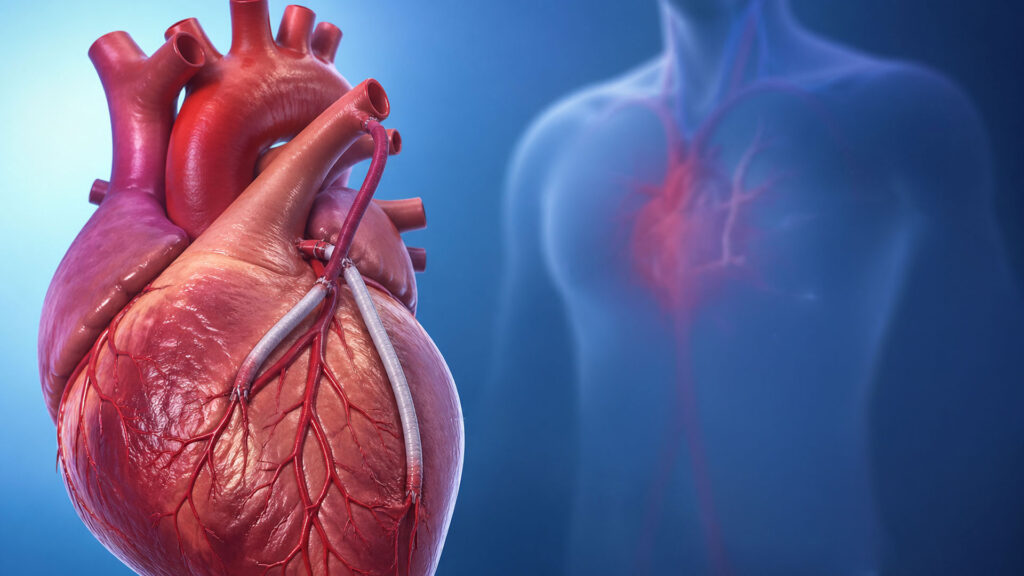
Heart valve diseases are problems that affect one or more of the four valves located in the heart. The heart valves open and close with every heartbeat, ensuring that blood flows in the right direction.
Problems with the valves can occur in the following ways:
- Insufficiency (Regurgitation): The valve does not close completely and blood leaks backward.
- Narrowing (Stenosis): The valve narrows and the passage of blood becomes difficult.
- Atresia: There is not enough opening in the valve or the valve does not open at all.
Causes of Heart Valve Diseases
The causes of heart valve diseases can vary from person to person. These diseases:
- Can be present at birth (congenital valve diseases)
- Can develop due to aging
- Can occur due to infections
Even though some people have a valve disease, no symptoms may be seen at all. Symptoms can develop over time.
Possible Symptoms
The most common first symptom of heart valve diseases may be excessive tiredness (fatigue).
Other symptoms may include:
- Fainting or feeling lightheaded
- Shortness of breath
- Chest pain
- Skipping a beat, palpitations, fluttering sensation, or rapid heartbeat
How Is It Diagnosed?
To diagnose a heart valve disease, your doctor may:
- Ask about your symptoms
- Listen to your heart
- Order heart imaging tests
In newborn babies, screening tests can help in the early diagnosis of heart valve diseases.
Treatment
Most heart valve diseases are treatable.
Treatment options may include:
- Medication: To reduce symptoms or slow the progression of the disease
- Surgical or interventional procedures: To repair or replace the damaged valve
Problems That May Occur If Left Untreated
If heart valve diseases are not diagnosed and treated early, they can lead to the following serious problems:
- Arrhythmia (heart rhythm disorders)
- Infection (especially endocarditis)
- High blood pressure in the lung arteries (pulmonary hypertension)
- Heart failure
- Cardiac arrest
Types of Heart Valve Diseases
There are three main types of heart valve diseases:
- Regurgitation (insufficiency / backward flow)
- Stenosis (narrowing)
- Atresia
The type of valve disease you have depends on which valve is affected and how the valve is affected.
Heart valve diseases can occur in any of the four valves in the heart:
- Aortic valve
- Mitral valve
- Pulmonary valve
- Tricuspid valve
What Are Heart Valves?
Heart valves control the flow of blood within and out of the heart. When working healthily, they ensure that blood travels in the right direction from the heart to the lungs and the rest of the body.
Each valve has structures called leaflets (flaps or cusps). These leaflets open and close with every heartbeat, ensuring that blood flows in a single direction.
In a normally developed heart:
- Aortic valve: Located between the left ventricle and the aorta.
- Mitral valve: Located between the left atrium and the left ventricle.
- Pulmonary valve: Located between the right ventricle and the pulmonary artery.
- Tricuspid valve: Located between the right atrium and the right ventricle.
Types of Heart Valve Problems
1. Atresia
Atresia is a heart disease usually present at birth (congenital heart defect). It can rarely develop later in life.
In this condition, there is no opening in the valve at all. A solid tissue forms, blocking blood flow between the heart chambers.
There are two main types:
- Pulmonary atresia: The pulmonary valve is affected. Blood cannot pass from the heart to the lungs through the pulmonary artery.
- Tricuspid atresia: The tricuspid valve is affected. Blood cannot pass from the right atrium to the right ventricle.
2. Regurgitation (Valve Insufficiency)
Regurgitation occurs when a valve does not close completely. In this case, blood leaks backward instead of flowing forward.
This condition makes it difficult for the heart to pump enough blood to the body.
Regurgitation can develop in the following situations:
- Inappropriate size or shape of the valve leaflets
- Widening of the valve opening
- Weakening of the valve leaflets
Some people may be born with this condition congenitally, or it may develop over time.
Mitral Valve Prolapse Regurgitation is most commonly seen due to mitral valve prolapse.
In this condition:
- The leaflets of the mitral valve sag or bulge back into the left atrium.
- This condition can lead to mitral insufficiency (regurgitation).
However, many people with mitral valve prolapse do not develop regurgitation and experience no symptoms. If regurgitation does develop, it can progress over time and lead to the following problems:
- Enfection (endocarditis)
- Increased pressure in the heart and lung vessels
3. Stenosis (Valve Narrowing)
Stenosis is when the valve opening is narrower than normal.
This condition can occur for the following reasons:
- The valve may have developed incorrectly at birth
- The valve leaflets may have become stiff or thickened
For example: Bicuspid Aortic Valve Normally, the aortic valve has three leaflets. However, in some people, the valve forms with two leaflets. This is called a bicuspid aortic valve.
This condition can lead to aortic valve narrowing (aortic stenosis) over time.
In stenosis, it is harder for blood to pass through the valve, and the heart has to work harder to pump blood.
Multiple Valve Problems
Sometimes:
- There can be more than one problem in a single valve
- More than one valve can be affected at the same time
This condition causes the heart to work harder and can affect its blood-pumping capacity.
If left untreated, valve diseases can progress over time and lead to the following serious problems:
- Heart failure
- Stroke
- Arrhythmia
- Pulmonary hypertension
Symptoms
The symptoms of heart valve diseases can vary depending on the type of disease and the age of the patient. Symptoms seen in newborns can differ from those seen in adults. Some symptoms may be related to heart failure, because valve diseases can impair the heart’s blood-pumping function.
Symptoms in Newborns and Young Children
Symptoms of heart valve disease may be present at birth. Sometimes these symptoms are noticed during newborn screening tests performed after birth. In some cases, symptoms may appear weeks or months after birth.
Symptoms that may be seen include:
- Failure to gain enough weight or grow
- Difficulty may be observed during feeding
- Some babies may sweat while feeding
- Bluish skin (cyanosis)
- Especially on the lips, fingers, and toes
- Low oxygen levels in the blood
- A doctor can measure this with pulse oximetry
- Pale skin, rapid pulse or rapid breathing, cold and clammy hands
- These can be signs of shock and are a medical emergency for newborns
- Weak pulse
Symptoms in Adults
Symptoms of age-related heart valve diseases can appear gradually. Many people may mistake early symptoms, such as shortness of breath during exercise, as a normal part of aging.
Some people may have no symptoms at all.
When symptoms occur, they may include:
- Nefes darlığı (Shortness of breath)
- Especially when climbing stairs, walking fast, or during physical activity
- Chest pain or feeling of discomfort (angina)
- Dizziness, fainting when standing up, or brief loss of consciousness
- More fatigue than normal
- Fever
- Could be a sign of infection of the heart’s inner lining (endocarditis)
- Heart palpitations
- Feeling that the heart is beating too fast or skipping a beat
- Heart murmur
- An abnormal sound heard between heartbeats
- Swelling around the eyes, ankles, or in the abdomen
These symptoms can also be seen in other diseases. To confirm heart valve disease, your doctor may perform a test called an echocardiogram. This test shows the structure of the heart and how the valves are working in detail.
Diagnosis
To diagnose a heart valve disease, your doctor evaluates your medical history, performs a physical examination, and orders tests that examine the structure and function of your heart.
Medical History and Physical Examination
Your doctor may ask about the following topics:
- Your risk factors
- The symptoms you are experiencing
- Your family history of heart valve disease
During the physical examination, your doctor:
- Checks for a heart murmur or rhythm disorder by listening to your heart with a stethoscope
- Evaluates the strength of the pulse in the neck or arm
- May check for liver enlargement in newborns.
Echocardiography
Echocardiography (ECHO) is the most commonly used test in diagnosing heart valve diseases.
This test:
- Is painless
- Creates moving images of the heart using sound waves
With echocardiography:
- The size and shape of the heart
- How well the heart pumps blood
- How the valves open and close are evaluated.
Doppler echocardiography shows the speed and direction of blood flow within the heart chambers and valves.
An ECHO can also show:
- Blood clots inside the heart
- Pericardial fluid
- Tumors
- Aortic diseases
- The cause of a heart murmur
Other Diagnostic Tests
In addition to an echocardiogram, your doctor may order other tests.
Electrocardiogram (ECG/EKG) An ECG is a simple and painless test that measures the electrical activity of the heart.
With this test:
- Heart rate
- Heart rhythm (regular or irregular)
- The spread of electrical impulses in the heart can be evaluated.
During the test, electrodes are placed on the chest, arms, and legs, and the heart activity is recorded.
Chest X-ray A chest X-ray provides quick and painless imaging of the structures inside the chest.
This test can help in evaluating:
- Heart enlargement
- Heart failure
- Lung diseases
Stress Test A stress test measures the heart’s performance under physical stress.
During this test:
- The patient walks on a treadmill or rides a stationary bike
- Heart rhythm, blood pressure, and oxygen levels are monitored
This test is especially recommended if the following symptoms are present:
- Shortness of breath
- Chest pain
- Dizziness
- Palpitations
If the person cannot exercise, medications that make the heart work faster can be given.
Screening Tests
In some cases, your doctor may recommend screening tests.
Prenatal Screening The baby’s heart is evaluated during pregnancy.
Newborn Screening Test In this test:
- The oxygen level in the baby’s blood is measured using pulse oximetry.
- Low oxygen levels can be a sign of valve disease or serious congenital heart diseases.
Post-Cancer Treatment Screening Because the risk of developing heart valve disease increases in people who have received radiation therapy, regular screening may be recommended.
Causes and Risk Factors
What Causes Heart Valve Diseases?
There are four valves in the heart, and these valves open and close to ensure that blood flows in the correct direction within the heart. Heart valve diseases occur when these valves do not work properly.
Valve diseases: Can be present at birth (congenital) or can develop later over time (acquired).
To understand heart valve diseases, it is important to understand how the heart works.
Congenital Heart Valve Diseases
Congenital heart valve diseases occur due to problems that arise while the baby’s heart is developing in the womb. These valve problems can be seen alone or together with other congenital heart diseases.
Congenital valve diseases can range:
- From mild problems
- To life-threatening conditions that can completely block blood flow.
The most common congenital valve problems are:
- Atresia: The valve has not formed at all, and blood flow is completely blocked.
- Stenosis (narrowing): The valve is very narrow and does not allow adequate blood passage.
- Regurgitation (insufficiency): Blood leaks backward because the valve leaflets are not of normal size or shape.
Some congenital valve diseases are inherited (genetic). That is, they can occur due to genes passed down from the mother or father.
For example: Bicuspid aortic valve is a valve disease that can be genetically transmitted and can lead to aortic stenosis.
Acquired Heart Valve Diseases
Heart valve diseases can also develop as age advances, due to certain medications used, or medical proceduresperformed.
Risk Factors
Risk factors for heart valve diseases include:
Age Advanced age can increase the risk, especially if there are unhealthy lifestyle habits.
Family History Some valve diseases can run in families. For example:
- Mitral valve prolapse
- Bicuspid aortic valve Additionally, having a family history of early-onset coronary heart disease can also increase the risk.
Lifestyle Lifestyle factors that lead to other heart diseases can also pose a risk for valve diseases:
- Lack of physical activity
- Unhealthy diet
- Smoking
- Obesity
Medical Devices Devices like a pacemaker or defibrillator can sometimes rub against the valves, causing:
- scar tissue formation
- or stretching of the valves.
Other Diseases Some diseases can increase the risk of valve disease:
- Hypertension
- Diabetes
- Autoimmune diseases (e.g., lupus)
- Other heart diseases
Cancer Treatment Radiation therapy used for cancer can cause the heart valves to:
- thicken
- or experience problems like narrowing.
Sex (Gender) Some valve diseases are more common in men. For example:
- Aortic valve stenosis is more common in men than in women.
Research and Genetics
Family history and inherited genes can increase the risk of developing heart valve disease. Researchers are specifically studying gene mutations that cause valve diseases such as the bicuspid aortic valve.
Can Heart Valve Diseases Be Prevented?
Not all congenital valve diseases can be prevented, but the risk can be reduced in some cases.
During pregnancy:
- Taking necessary vitamins
- Protecting against infections like rubella is important.
Preventing Acquired Valve Diseases Your doctor may recommend the following precautions:
Heart-Healthy Lifestyle
- Healthy diet
- Regular physical activity
- Healthy weight
- Quitting smoking
- Stress management
Good Oral and Skin Hygiene This helps prevent the endocarditis infection, which can affect heart valves.
Regular Use of Medications It is important to regularly use medications prescribed to prevent a heart attack, hypertension, or heart failure.
Also, if there is a throat infection (strep infection), the treatment must be completed. Because if left untreated, rheumatic fever can develop, and this condition can damage the heart valves.
Treatment
Heart valve disease is generally a lifelong condition. Although many people have valve disease, they may not experience symptoms for a long time. However, the disease can progress over time, and if left untreated, it can lead to heart failure or other life-threatening problems.
Your doctor will usually recommend lifestyle changes and medication therapy first. These methods can help control symptoms and delay the progression of the disease. However, in the advanced stages, valve repair or valve replacement may be necessary.
Even after valve repair or replacement is performed, medication use and regular doctor check-ups are necessary.
Heart-Healthy Lifestyle Changes
Lifestyle is very important in the treatment of heart valve diseases.
Recommended changes include:
- Heart-healthy diet
- Maintaining a healthy body weight
- Stress management
- Regular physical activity
- Quitting smoking
You must consult your doctor before starting a new exercise program.
Medication Therapy
Your doctor may prescribe medications to reduce symptoms, slow the progression of the disease, or treat other heart problems accompanying the valve disease.
These may include:
- Blood pressure medications
- Diuretics
- Vasodilators
- These medications reduce the pressure on the heart, allowing it to work less.
- Heart rate regulating medications
- They help the heart work more efficiently by controlling the heart rhythm.
- Blood thinners
- Used to prevent or treat the formation of blood clots.
- Antibiotics
- To treat infections that cause heart inflammation (endocarditis)
- To prevent rheumatic fever
- Prostaglandin
- It can be used in newborns to keep certain heart pathways open and maintain blood circulation.
Heart Valve Repair
When new symptoms appear or existing symptoms worsen, your doctor may recommend valve repair.
Methods used in valve repair:
- Repairing or reshaping the valve leaflets
- Closing tears
- Reattaching the leaflets
- Separating fused leaflets These procedures are called valvuloplasty.
Other methods:
- Balloon valvuloplasty: A balloon is used to widen the valve opening.
- Stent placement: To increase blood flow or support a leaking valve
- Placement of a special device for mitral regurgitation
- Removal of calcium buildups
- Repair of valve support structures
- Annuloplasty: Strengthening or tightening the valve ring
Valve repair can reduce symptoms, but sometimes the problem can reoccur.
Possible complications:
- Valve damage or leak
- Blood vessel injury
- Cardiac tamponade (compression)
- Stroke
Heart Valve Replacement
In some cases, the valve cannot be repaired and valve replacement is necessary.
The surgeon replaces the damaged valve with one of the following types of valves:
- Mechanical Valve
- Made from durable materials
- Very long-lasting
- However, it requires lifelong use of blood-thinning medication
- Biological Valve (Tissue Valve)
- Usually made from animal tissue
- The need for blood thinners is less
- However, it does not last as long as a mechanical valve and may need to be replaced again in the future
Doctors decide which valve is more appropriate based on the following factors:
- Age
- Risk factors
- Other diseases
Catheter-Based Valve Replacement Some valves can be replaced using a catheter method without open-heart surgery.
The most common example: TAVR / TAVI (Transcatheter Aortic Valve Replacement) In this method:
- A thin catheter is advanced to the heart through a blood vessel
- A new valve is placed It is especially used in the treatment of aortic stenosis.
Problems That May Occur If Left Untreated
Untreated heart valve diseases can lead to serious complications:
- Acute respiratory distress syndrome (ARDS)
- Arrhythmias
- Blood clots
- Sepsis and bloodstream infections
- Aortic aneurysm or rupture
- Heart failure
- Infective endocarditis
- Liver damage
- Pulmonary hypertension
- Stroke
- Cardiac arrest
Pregnancy and Heart Valve Diseases
Many women with heart valve disease can have a healthy pregnancy and give birth to healthy children. However, some valve diseases can make getting pregnant difficult or lead to complications during pregnancy.
Therefore, if you are pregnant or planning to become pregnant, it is very important to consult your doctor to ensure the safety of you and your baby throughout the pregnancy.
Before Getting Pregnant
If possible, you should talk to your healthcare provider about your heart valve disease and current symptoms before getting pregnant.
Some valve diseases can make pregnancy high-risk. For example:
- Valve narrowing (stenosis)
- Having had valve replacement surgery
In these situations, special monitoring and care may be required during pregnancy and childbirth.
Your doctor may recommend the following tests before pregnancy:
- Echocardiography
- Stress test
If the disease is severe, it may need to be treated before pregnancy.
Medication Use During Pregnancy
Some medications are not safe during pregnancy.
For example:
- Blood-thinning medications
Therefore, your doctor:
- During the pregnancy planning period
- May recommend safer alternative medications for you to use during pregnancy.
Possible Risks During Pregnancy
Severe or untreated heart valve disease during pregnancy can increase the risk of certain complications.
These may include:
- Arrhythmia (heart rhythm disorder)
- Blood clot formation
- Miscarriage
- Premature birth
- Need for a cesarean delivery
- Postpartum hemorrhage
Genetic Risk
Some heart valve diseases can be inherited and passed on to your child.
Therefore, talking to your doctor about your disease helps you better understand the potential risks for your baby..
Share