What is Organ Transplantation?
Organ transplantation is the treatment of a patient by surgically replacing organs that have been damaged to the point of being unable to function due to untreatable diseases with a healthy organ taken from a living or deceased person. Among these, heart transplantation can only be performed from a cadaver (a person whose brain death has been confirmed).
Who Can Undergo Heart Transplantation?
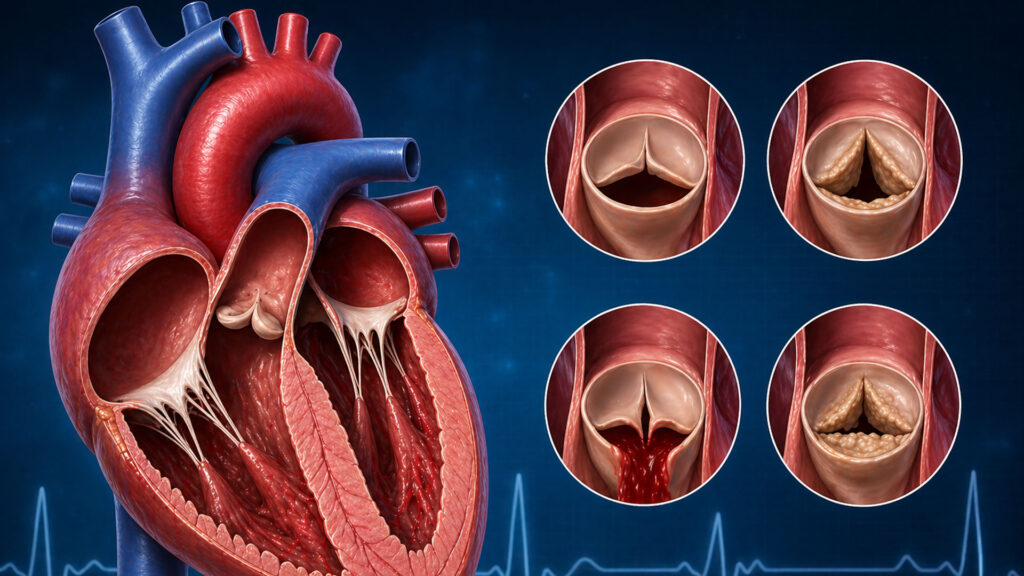
Heart patients under the age of 65 who have reached the end stage of heart failure despite all medical treatments and have a life expectancy of less than 1 year are candidates for heart transplantation. Patients of more advanced age can be included in the heart transplant program if they are found suitable after a careful evaluation of their physical characteristics beyond their chronological age. The necessity for a heart transplant most commonly arises due to serious and major irreversible damage to the heart muscle caused by a previous crisis related to the blockage of coronary vessels, or due to a severe decrease in the contractile power of the heart muscle—either congenital or subsequently occurring due to bacteria, viruses, etc.—known as cardiomyopathy. Other rare causes include rheumatic fever, hypertension, valve diseases that have led to heart muscle damage, congenital heart anomalies that cannot be surgically corrected, heart tumors, and patients with serious rhythm disorders resulting from various diseases that continue in a life-threatening manner and cannot be stopped despite all kinds of medication and pacemaker treatments.
Can Everyone Undergo Heart Transplantation?
Heart transplantation is recommended by specialist physicians after ensuring that all known treatment methods for patients with heart failure have been considered, applied, and tried. This is because these patients will lose their lives shortly if they do not receive a heart transplant. However;
- Patients who have developed irreversible high pulmonary hypertension (Pulmonary hypertension = high pulmonary pressure, high pulmonary vascular resistance) that cannot be treated due to long-term heart failure,
- Patients with severe obesity with a Body Mass Index (BMI) over 30,
- Patients with active, uncontrollable infections,
- Patients who have developed irreversible other organ dysfunctions (especially kidney failure) due to advanced diabetes (Diabetes Mellitus),
- Patients with an untreatable tumoral (cancer) disease,
- Serious osteoporosis (bone loss),
- Patients with psychiatric disorders or alcohol/drug addiction are not suitable candidates for heart transplantation.
How to Get on the Heart Transplant List?
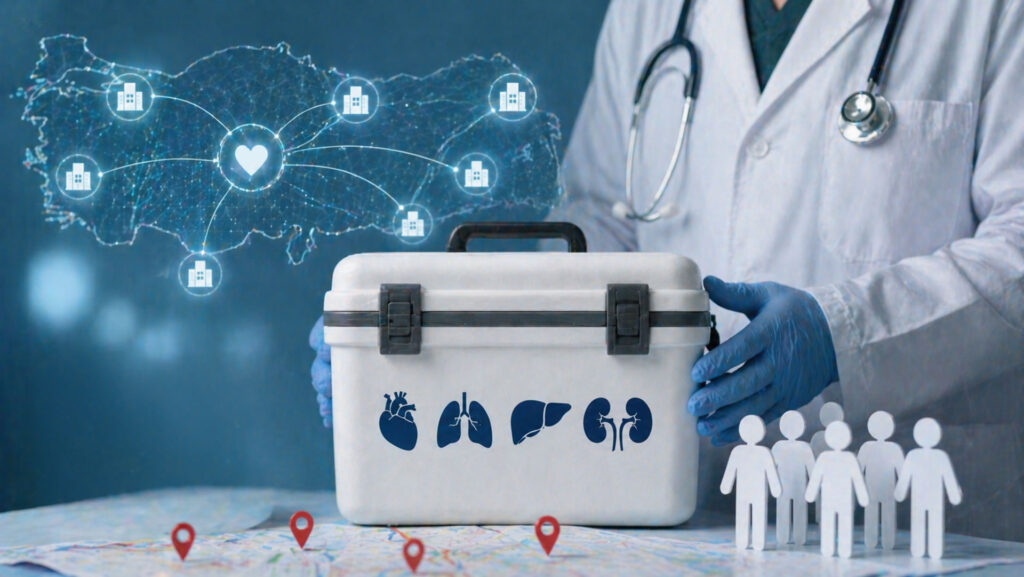
When the cardiologist who knows and follows the patient’s medical history thinks that a heart transplant is necessary for the treatment of the disease, they present the case to the heart transplant and artificial heart support systems council. A preliminary evaluation is made by discussing the patient’s medical history, all treatments performed, current status, latest tests, physical capacity, and other details. Then, the patient’s condition is thoroughly evaluated by the regularly convened board. Other necessary tests and consultations (psychiatry, endocrinology, nephrology, dentistry, etc.) are planned. If the patient is found suitable for a heart transplant as a result of all these evaluations by the heart transplant and artificial heart support systems council, they are placed in the heart transplant program according to their urgency and recorded in the organ waiting list. The average waiting time for heart transplantation is approximately 6-7 months for patients on the emergency list.
Heart Transplant Surgery, Intensive Care, and Afterward
Once the team sent to retrieve the organ examines the heart during the surgery and declares it suitable, the patient to receive the heart transplant is taken into surgery at the recipient hospital. Thus, the operation process begins. While the heart transplant is being performed, the patient is connected to a heart-lung machine. The goal is to perform the transfer of the organ and the operation within 4 hours. For this, a very good organization and an expert team are required. After the heart transplant, the patient is taken to the cardiac surgery intensive care unit. The patient remains connected to a respiratory device for the first 8-24 hours. Immunosuppressive (immune-suppressing) drugs are started while the patient is still in surgery to prevent rejection. Because these drugs are administered, the patient is very susceptible to infection. Therefore, the patient is given the most careful care possible. If everything goes well, the patient is usually transferred to a ward room on the 3rd to 5th day on average. Close monitoring is performed for rejection during the initial period. The patient is usually discharged after 20 days. According to the physician’s recommendation, the patient is generally called for follow-up at the 1st, 3rd, 6th, and 12th months.
Results of Heart Transplantation (Life Expectancy)
- Heart transplant surgeries continue to be the distinguished treatment approach for patients who have reached the final stage and will not respond to medication or surgical treatments. The fact that organ donation is not at the desired level—not only in our country but even in leading countries in heart transplantation—makes it mandatory to use the hearts to be used for transplantation in the most efficient way. Providing available organs to the recipients who need them most and will benefit the most is increasing in importance every day.
- Immunosuppressive treatment, developments in immunological monitoring, and the fight against sterilization and infection have been the cornerstones for the good survival results in the last 20 years. Particularly as a result of developments in immunosuppressive treatment, death rates due to rejection have decreased significantly.
- Looking at the results of leading centers in heart transplantation worldwide, the 1-year survival rate after heart transplantation is over 85%, and the 5-year survival rate is over 70%. At Türkiye Yüksek İhtisas Hospital, the one-year survival rate is 88%, the five-year survival rate is 76%, and the 10-year survival rate is over 54%.
Heart Transplant Numbers and Organ Donation in the World and Türkiye
- The need for heart transplantation is greater than the organ supply. In America, there are approximately 5-6 million heart failure patients, with 500,000 patients added each year. The number of patients waiting for a heart transplant is approximately 25,000-30,000. However, the number of heart transplants performed is approximately 2,500–3,000 per year (10-15% of the waiting patients). 20-40% of the patients lose their lives before a heart transplant can be performed.
- The money spent on patients with heart failure is approximately 34 billion dollars per year. In Türkiye, the number of heart failure patients is approximately 1.5 million. The number of patients in need of a heart transplant is approximately 3,000-5,000. However, according to the records in the National Coordination Center (UKM) data, the number of heart transplants performed is 50-60 (1-2%) per year.
Pediatric Heart Transplantation
Many causes lead to heart failure, such as rheumatic heart valve diseases and congenital structural anomalies; congenital and acquired diseases of the inner layer of the heart, the heart muscle, and the heart membrane; volume-loading diseases such as severe anemia, excessive blood or fluid transfusion, and hormonal reasons; babies of diabetic mothers; and rhythm and conduction disorders of the heart. Despite all medical treatments or all surgical correction operations in children with congenital heart disease, patients’ heart failure may not improve. For these patients, heart transplantation or artificial heart devices can be life-saving. A pediatric heart transplant and artificial heart device program was launched at Türkiye Yüksek İhtisas Hospital in 2012 together with the pediatric cardiology and heart transplant group. Our clinic intervenes in patients with end-stage heart failure from all age groups.
Share