The blood, which carries the oxygen and nutrients necessary for all living tissues and organs in our body, is distributed throughout the entire body and reaches the tissues via cardiac contraction. Here, the heart functions as a pump. The human body contains approximately 4-6 liters of blood. Although the heart is a small organ, it pumps approximately 7,500 liters (7.5 tons) of blood every day. In heart failure, the heart continues to work; however, as a result of the loss of the heart’s contractile ability, it cannot pump (deliver) an adequate amount of blood to the tissues. Heart failure is defined as the heart’s inability to pump blood at a level that meets the body’s needs. As a result of the insufficiency in blood flow, the kidneys increase water and salt retention. Symptoms of heart failure emerge as a result of fluid accumulation in organs such as the arms, legs, and lungs. Heart failure can be seen at any age depending on the underlying cause. However, it is seen in 2.5% of people over the age of 45 and in approximately 10% of those over the age of 65. It is among the leading causes of hospitalization and death both in the world and in Türkiye. If patients with end-stage advanced heart failure are not treated, more than half of them are lost within 1 year after diagnosis.
Diagnosis and Symptoms of Heart Failure
- Pain in the chest,
- Shortness of breath (labored breathing),
- Weakness,
- Fatigue,
- Tiring easily,
- Inability to show resistance to simple illnesses (such as the common cold or flu),
- Swelling of the ankles,
- Weight loss due to decreased appetite,
- Frequent urination,
- Deterioration of heart rhythm and rapid heartbeat,
- Blood accumulation in the lungs.
Since blood cannot sufficiently reach the tissues, the patient has difficulty while climbing a slope or stairs, feels forced to rest frequently, and swelling (edema) occurs in the ankles. In severe cases, bruising increases along with shortness of breath. Along with this, blood accumulation may occur in the lungs. Despite all these symptoms, heart failure can only be understood as a result of examinations and tests performed. Sometimes, there may be no symptoms even if heart failure is present.
Treatment of Heart Failure
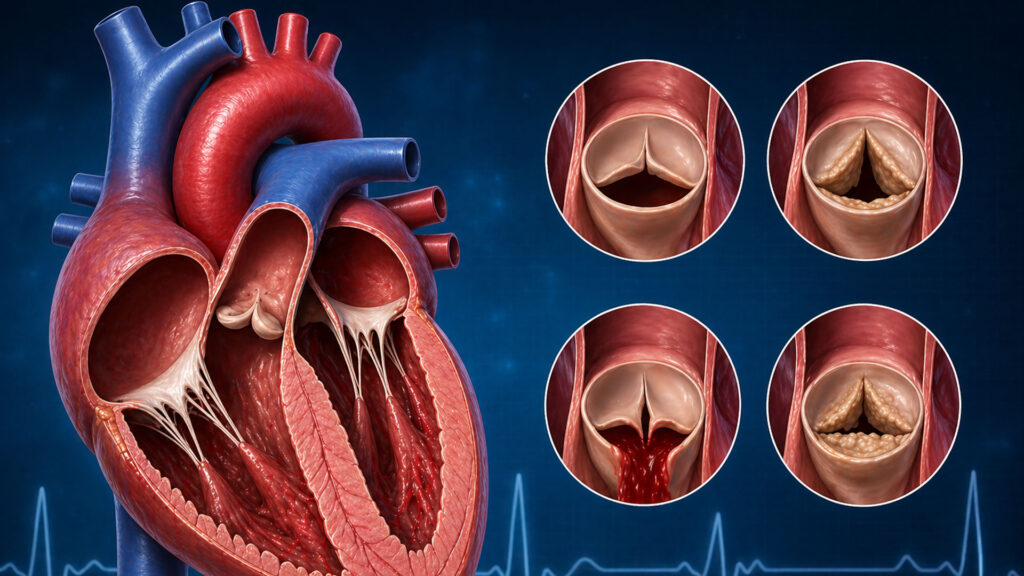
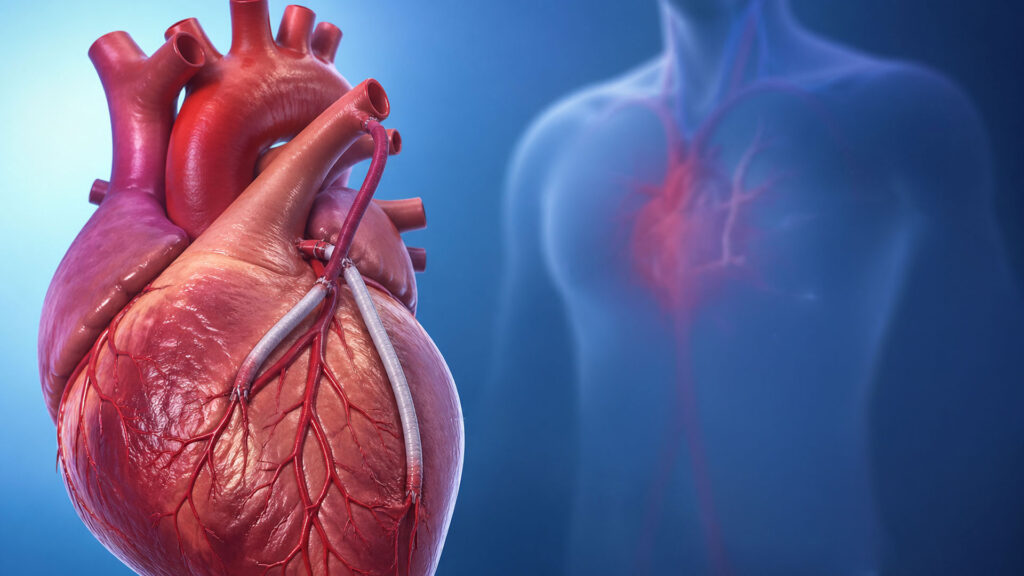
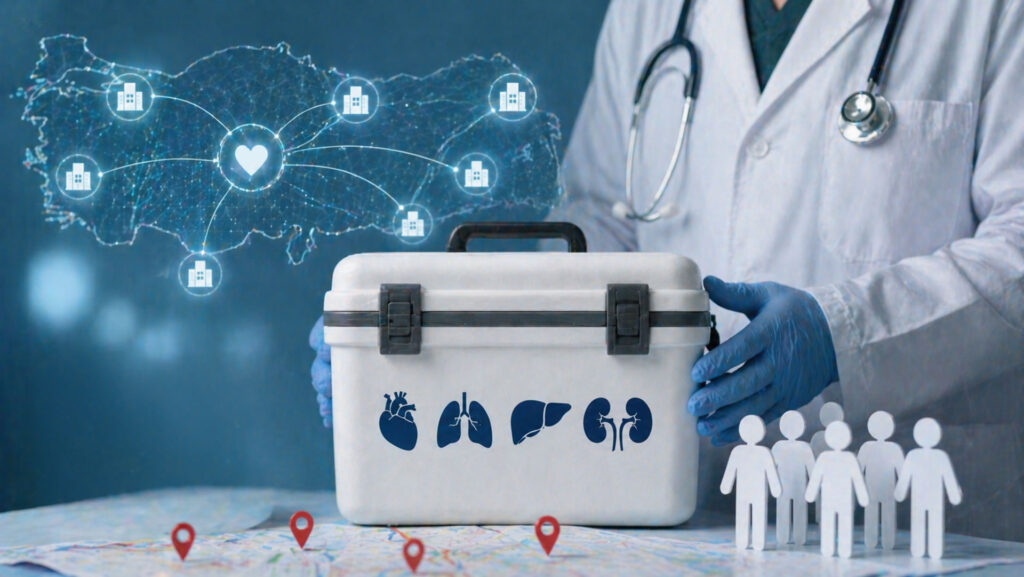
The first stage of treatment begins with a change in the patient’s nutritional lifestyle. It is necessary to significantly reduce the intake of fat and especially salt. Since salt increases water retention in the body, it prevents the reduction of swelling in the body. If less salt is taken, water excretion through urine increases and swelling decreases. Thus, the workload of the heart is reduced. Patients with heart failure must stay away from tiring tasks that require heavy strength. However, just as a person leading a sedentary life experiences a loss of strength and conditioning, the heart muscle also loses strength. To prevent this, an exercise program should be implemented under a doctor’s supervision. The second stage in treatment is carried out with medications. As for the third stage; devices to eliminate rhythm disorders and corrective surgeries (coronary bypass, valve surgery, etc.) directed at the disease causing heart failure can be applied. However, if the aforementioned treatments are applied but the condition cannot be corrected in the treatment of end-stage heart failure, the most effective treatment methods are heart transplantation and auxiliary artificial heart devices that support the functioning of the heart.
Share